
Why Excessive Wealth is Problem That Needs to Be Addressed
The American dream promises that if we work hard, we can build wealth to support ourselves and our families, and benefit our nation.
But our current political and economic system is rigged to reward a wealthy few and undermine our ability to prosper. The ultra-rich keep getting richer at the expense of hardworking Americans.
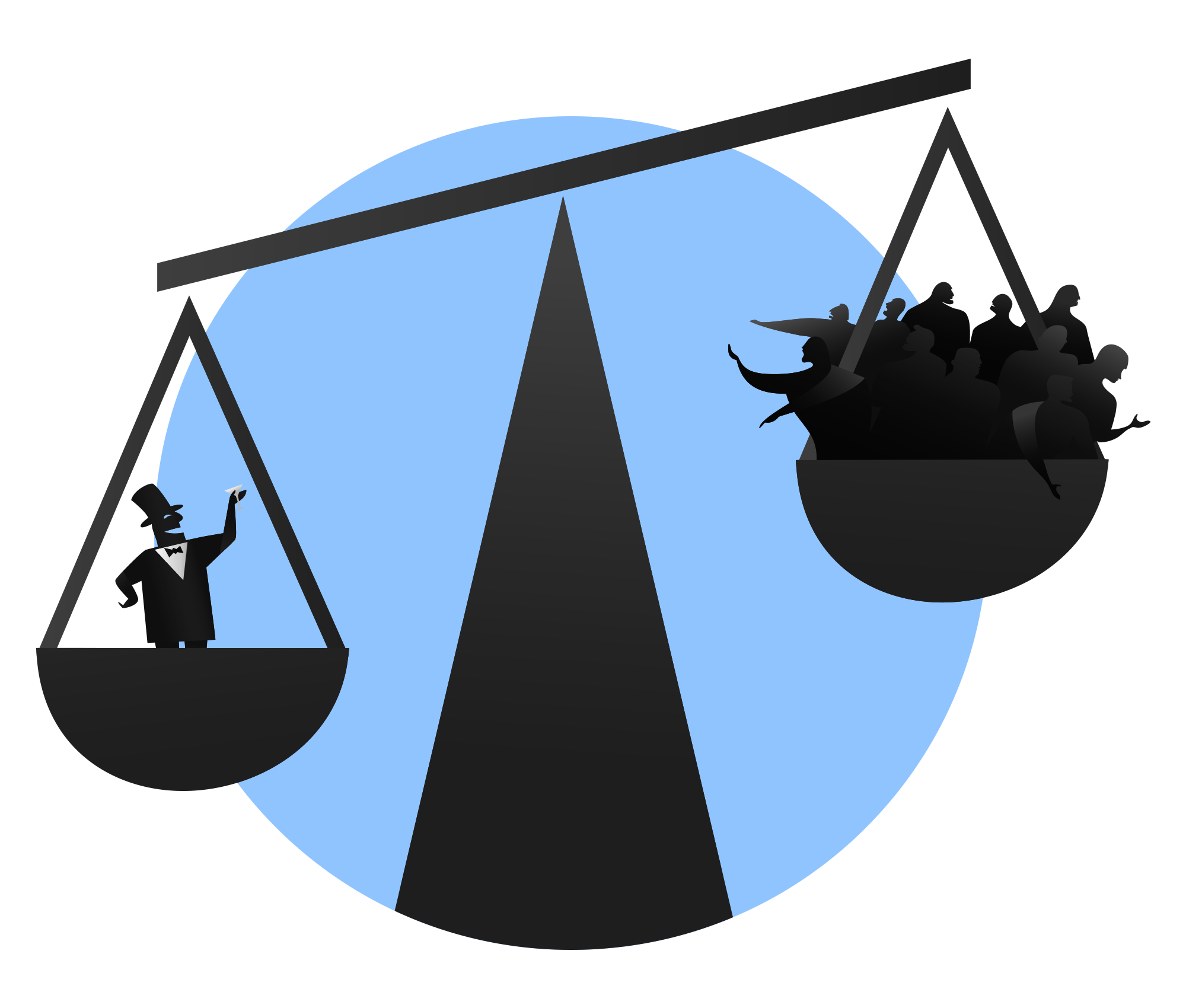
Wealth can be a positive thing when it is used to improve education, health care outcomes, create new businesses and jobs, and improve our quality of life. But left unchecked, excessive wealth distorts our democracy and slows economic growth. Research also demonstrates that excessive wealth inequality is not only correlated with, but exacerbates poor outcomes on virtually all social indicators, such as life expectancy, education and even trust in our fellow citizens.
We can fix this by taxing excessive wealth to rein in its power, reduce status anxiety and end the culture of greed that has overwhelmed our citizenry. We can use the ultra-rich tax dividend to provide middle-class taxpayer relief, reinvest in critical public services such as early childhood support, healthcare, education, and climate change mitigation, and reduce our nation’s deficit.
Let’s take a closer look at the ultra-rich in the U.S.
The ultra-rich are not the “millionaires next door” – small business owners and retirees who have accumulated their personal wealth slowly or through small inheritances. These rich-but-not-ultra-rich do not have the kind of influence over our nation’s politics or economy that comes with excessive wealth.
The ultra-rich are defined as households with $50 million or more in assets (accumulated wealth) or $3 million or more in annual income. In 2026, they are projected to represent just 0.2 percent of the population, yet control more than 20 percent of the nation’s wealth. There will be 300,000 ultra-rich households in the United States, with a combined wealth of a staggering $40 trillion!
Billionaires make up a small subset of the ultra-rich. There are more than 900 billionaires in the United States today and one trillionaire. Without a change in the tax laws, there could be 2000 billionaires in ten years and even more trillionaires!
The degree to which excessive wealth, and with it wealth inequality, is misunderstood by most of us is illustrated in this video.
Rising real estate prices and global stock prices, along with tax loopholes you could float a yacht through, have allowed the ultra-rich to benefit even as millions of Americans lose jobs, healthcare, life savings, and homes. And current tax laws do little to stop the flow of accumulated wealth to pass from generation to generation. We are facing the prospect of a permanent class of plutocrats.
Unless we all do something about it.
Stay informed: Join us
Sign up to our mailing list to stay up-to-date with the latest research, newsletters, and more.
Copyright © 2026 | Privacy Policy | Contact
EWI is a 501c3 Project at the Tides Foundation

Our campaign division, Tax the Greedy Billionaires, is building
support for policies to reduce the power of excessive wealth.